
The video game sector has ceased to be merely a means of entertainment and has become one of the most important actors in the worlds of technology, culture and economics. Billion-dollar revenues worldwide, combined with technologies such as artificial intelligence and XR that drive innovation, continuously carry the sector forward. Dynamics such as the impact of periods like the pandemic, the rise of mobile games, the professionalisation of esports and digital transformation have further accelerated this process of growth and change. In this article, we put the sector's fundamental building blocks and the elements shaping its future under the microscope.
1. The Summit of the Gaming World: Who Earns More?
In 2024, the leader of the gaming sector was Sony. The $27 billion in revenue it generated from its Game and Network Services Division carried the company to the top. Tencent followed with $24.4 billion; its revenue from mobile games reinforced its leading position in China. Microsoft took third place with $16 billion in revenue and secured a strong position in digital game subscriptions with services such as Xbox Game Pass. Nintendo and NetEase complete this list with revenues of $12 billion and $10.9 billion respectively. The revenue sources of these giants include consoles, digital platforms, mobile games and in-game purchases.
2. The Impact of COVID-19 on the Gaming World
During the pandemic, the gaming sector made a great leap. As people spent more time at home, game sales and user engagement reached record levels. During this period the "Games as a Service" model came to the fore. This model provides long-term revenue by offering players continuous content. Although the effects of the pandemic have diminished, the digitalisation and online gaming habits adopted during this period permanently changed the sector.
3. The War Between Consoles: The Driving Force of Technology
The competition between Nintendo, Sony and Microsoft continually pushed innovation in console technologies forward. Major breakthroughs were made with each new generation, particularly in areas such as graphics technologies, processor speeds and internet integration. For example, the Nintendo Switch combined portability and the home gaming experience with its hybrid console model. In the future, this war may take shape around cloud gaming technologies and AI-supported gaming experiences.
4. The Rise of Mobile Games
Mobile games made up 49% of the video game market in 2023 and became the largest segment in the sector. The accessibility of mobile devices and their user-friendly interfaces are among the main drivers of this growth. Thanks to in-game purchases, freemium models and micro-payments, mobile games have become not just entertainment but also an enormous economic force.
5. Games and Education: New Classrooms, New Approaches
Games are no longer only for entertainment; they have also become an important tool in education. For example, in Poland, The Witcher was integrated into the high school curriculum. Games increase student participation by providing an interactive learning environment in subjects such as mathematics, history and sociology. In addition, the use of game engines in the field of simulation also supports educational processes in professional fields such as engineering and medicine.
6. The Role of Artificial Intelligence in the Gaming World
Artificial intelligence is revolutionising the gaming world. It not only controls NPCs but also offers personalised experiences by analysing player behaviour. By influencing game development processes as well, AI opens new doors in areas such as procedural content generation and dynamic storytelling.
7. New Dimensions with XR Technology
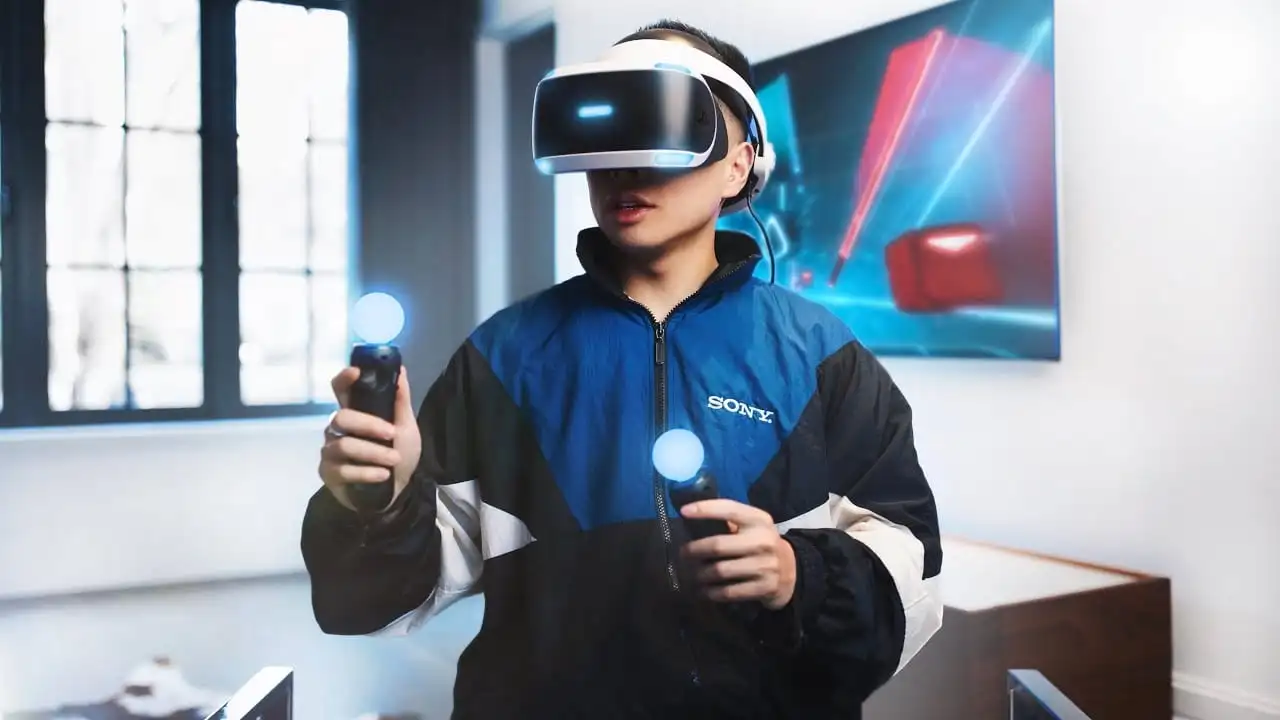
Virtual Reality (VR), Augmented Reality (AR) and Mixed Reality (MR) technologies add a brand-new dimension to the gaming world. VR devices in particular offer unique experiences by carrying players entirely into a virtual world. AR, on the other hand, makes games more interactive by integrating digital elements into the real world. These technologies are used not only in entertainment but also in the fields of health and education.
8. Esports: Bringing the Passion for Gaming to the Stage
Esports has become a major industry worldwide. Billion-dollar revenues are generated through tournaments, sponsorships and media rights. Games such as League of Legends and Dota 2 are among the most important players on the esports scene. Esports is expected to spread to wider audiences in the future and to take part in events such as the Olympics.
9. Digital Transformation: The New Age of Games
Digital platforms have increased the accessibility of the gaming world. Digital stores such as Steam and Epic Games have given independent game developers access to the market. In addition, cloud gaming has made it possible for players to overcome hardware limitations. This transformation has completely changed traditional approaches to the distribution and consumption of games.
10. The Future of Games: The Meeting Point of Culture and Technology
Games are now an important part of global culture. While games such as The Witcher have become a source of inspiration for series and films, platforms such as Fortnite are collaborating with the music and fashion sectors. In the future, it is anticipated that games will play an even more influential role not only as a means of entertainment but also as a platform for social interaction and education.
The video game industry has become a global force, touching many fields such as culture, education and social interaction with innovative solutions that push the limits of technology. Led by giants such as Sony, Tencent and Microsoft, this sector, while exploring the opportunities offered by technology, is also drawing more attention to matters such as social responsibility, ethics and sustainability. In the future, it seems inevitable that games will move beyond being merely a means of entertainment to become a platform that builds bridges between cultures and revolutionises education and health. On this unique journey of the gaming world, we will all see together what more the combination of technology and human creativity will bring forth.