
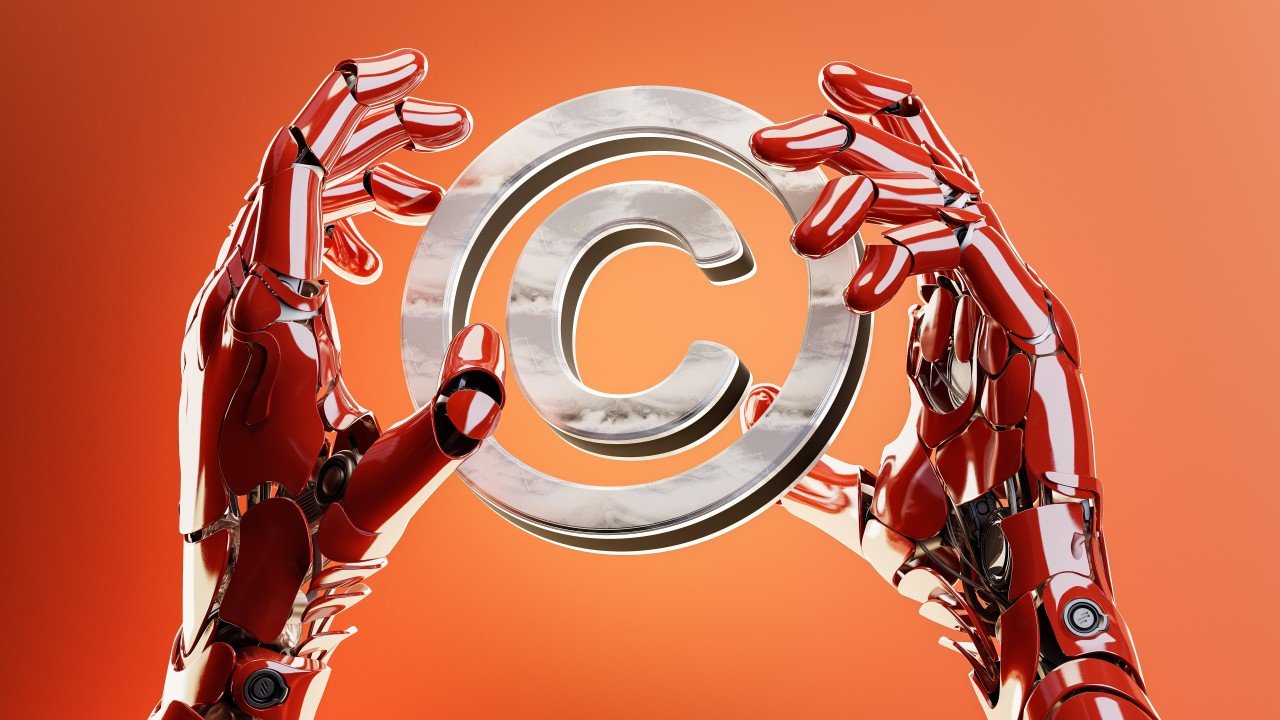
Although the rapid development of artificial intelligence has been a source of concern for many professional groups, the fear that it will take the jobs of patent experts proves, upon detailed assessment, to be an unfounded worry. Patent processes rely not only on technical knowledge but also on legal expertise, creativity and strategic thinking. Artificial intelligence can be a superior assistant in tasks such as analysing complex texts, similarity searching and data processing; however, in matters requiring in-depth expertise—such as assessing the novel elements of an invention, building a comprehensive protection strategy and offering solutions suited to a client's needs—it cannot replace human creativity and experience. On the contrary, the tools offered by AI present an opportunity for transformation that reduces patent experts' workload and allows them to focus on more strategic and creative solutions.
The Role of Artificial Intelligence in the Field of Patent Expertise
Patent expertise is a discipline that ensures the protection of technical innovations and requires both legal and technical knowledge. This field encompasses a series of complex processes in which accuracy and detail are of vital importance. AI provides benefits in these processes in the following ways:
1. Drafting Technical Documents: Preparing documents such as the description, claims and drawings—among the most critical parts of a patent application file—requires expertise. AI offers the ability to quickly draft and translate technical documents and to check their formal compliance.
2. Research and Analysis: Searching previously published technologies in patent databases is a critical process for reducing the likelihood of overlap. AI can perform faster and more accurate preliminary searches by analysing large data sets.
3. Compliance with Languages and Formats: Patent processes require working in accordance with various international standards. AI lightens the workload of global companies by translating technical details into multiple languages and adapting them to format requirements.
4. Training and Support: AI is an effective tool for simplifying complex legal and technical matters for patent experts and clients. It provides easy access to information in training new experts and in explaining details to clients.
How Does Artificial Intelligence Facilitate Patent Processes?
1. Fast and Error-Free Document Preparation: By understanding complex terms, AI produces documents with the correct terminology. This allows patent experts to save time and reduce the error rate.
2. Automation of Repetitive Work: Work such as application preparation that is frequently done in similar formats and content can be standardised with AI. This allows experts to devote their valuable time to more complex matters.
3. Overcoming Language Barriers: In translating documents prepared in different languages, AI offers fast and effective solutions, facilitating international collaboration.
4. Smart Search and Review: In novelty examination and the search for pre-existing patents, AI-supported smart search algorithms can scan data across a much broader scope.
5. Keeping Up with Current Trends: By carrying out patent trend analysis, AI points to innovation opportunities in a given field and can guide companies' R&D strategies.
As can be seen, the impact of AI systems on patent expertise will steadily increase. These technologies work as a complementary support mechanism for experts' roles, reducing error rates and increasing productivity. However, for these systems to be used effectively, experts need to adapt to AI technologies and take their ethical responsibilities into account.
AI is a versatile tool that accelerates and facilitates patent expertise processes. While this technology saves time from both a legal and a technical standpoint, it enables experts to focus on more strategic areas. In the future, the combination of AI and human expertise will bring about a great transformation in the patent world.
However, in fields requiring professionalism, experience and original thought—such as patent expertise—the idea that AI could completely take over experts' jobs is not very realistic. Because patent expertise requires special knowledge and experience—not only possessing technical and legal knowledge but also the ability to apply that knowledge effectively—and because the empathy and understanding involved when conveying thoughts and feelings to an expert during the evaluation and protection of ideas are absent in AI, it will fall short in providing these personal touches.